The 2025 World Championships in Singapore just delivered the most jaw-dropping freestyle performances in swimming history, and if you're a swim coach or instructor, you're about to discover exactly why this changes everything for how we teach and coach freestyle swimming. We're talking about the first World Championships final where all eight men's 100m freestylers broke 48 seconds - a feat that seemed impossible just a few years ago. But here's the real kicker: the techniques, training methods, and coaching insights that got them there are totally applicable to swimmers at every level, from your nervous first-timer to your hungry age-grouper chasing that qualifying time.
Singapore's game-changing insights reveal freestyle's new era 🏊♂️
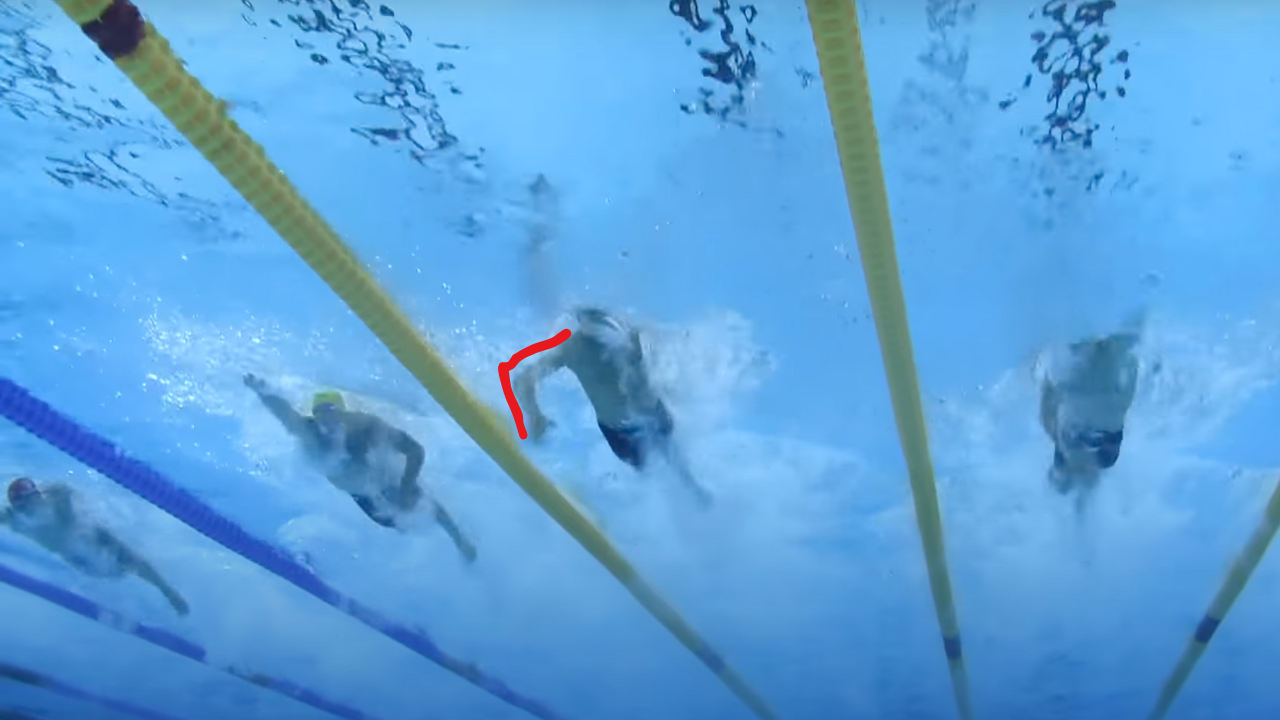
David Popovici's European record swim of 46.51 wasn't just fast - it was smart. The Romanian superstar revealed he systematically studied Pan Zhanle's world record technique "from all angles," adapting elements to create his own optimized stroke. This isn't just elite-level geeking out; it's the new reality of how modern swimmers improve. Katie Ledecky, meanwhile, dominated the 800m free with what she called "visualization training" - mentally rehearsing every aspect of her race during daily practice sessions.
What's revolutionary here isn't just the speed, but the methodical approach to technical evolution. Elite swimmers are now biomechanical detectives, and their techniques are trickling down faster than ever thanks to technology that puts underwater cameras and stroke analysis in every coach's toolkit.
The technical revolution starts with understanding why elite technique works
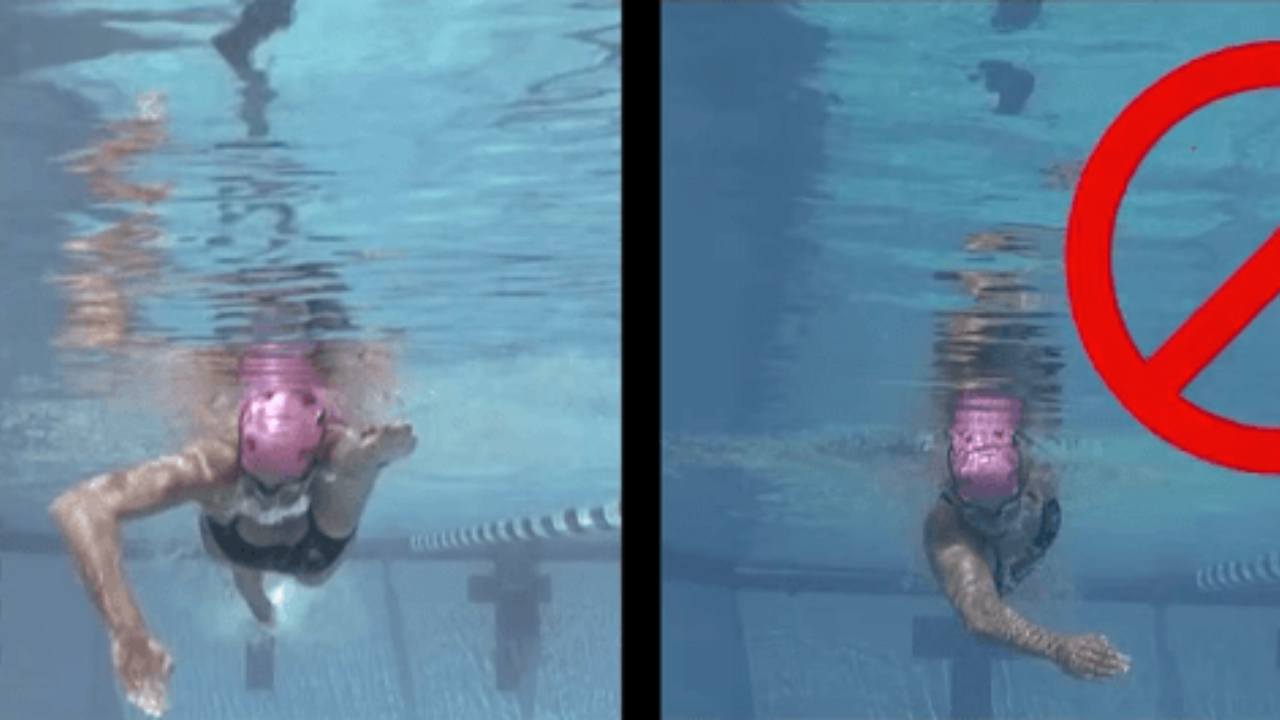
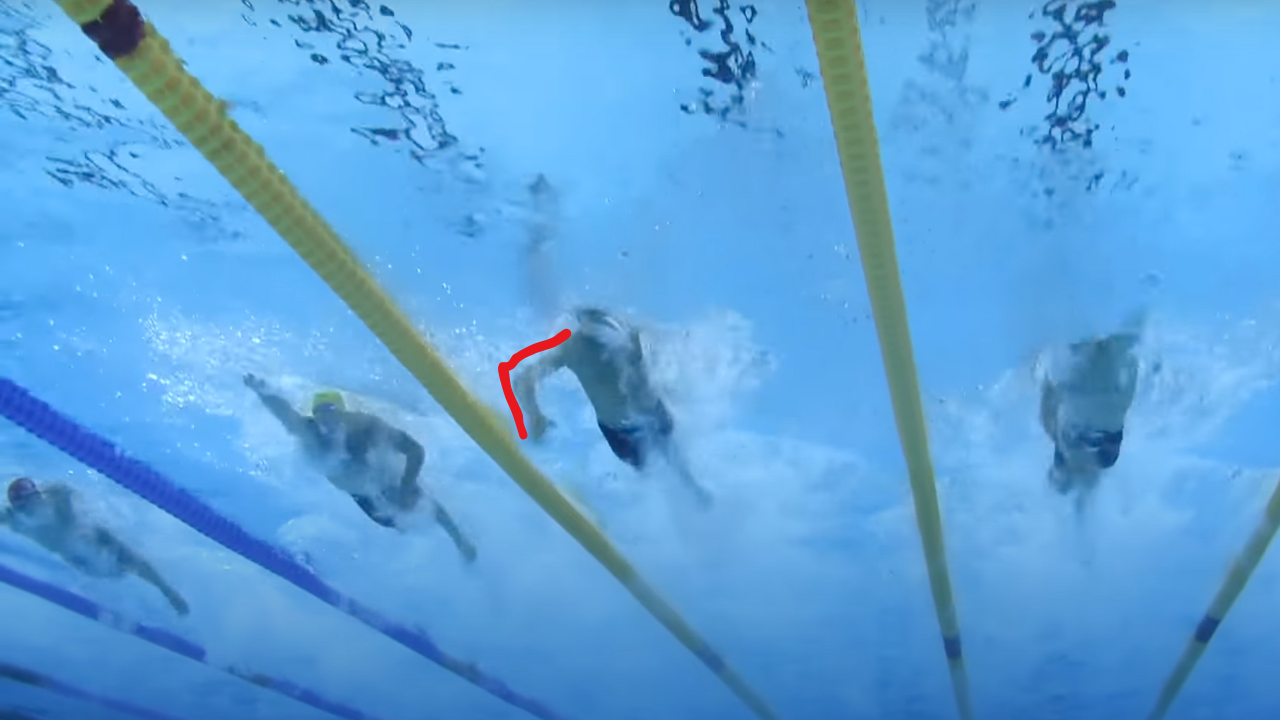
Modern freestyle biomechanics has undergone a massive shift, ditching the old S-shaped pull pattern for straight-line pulling that's up to 10% more efficient. Research shows that 61.3% of competitive swimmers still exhibit dropped elbow errors - the number one technical fault that kills propulsion. But here's where it gets exciting for coaches: the fix isn't complicated, it's just systematic.
The high elbow catch (Early Vertical Forearm) creates a larger surface area for propulsion by treating the forearm and hand as one unified paddle blade. Studies using computational fluid dynamics prove this technique engages the larger upper back muscles while reducing frontal drag. Translation for your swimmers? More power, less effort, faster times.
Body position optimization remains the foundation. Elite swimmers maintain their hips at the surface because when the center of mass aligns with the center of flotation (lungs), less energy is required for horizontal positioning. The head stays neutral with the waterline cutting across the middle - exactly what you tell your swimmers, but now you know the physics behind why it matters.
Age-appropriate progressions that actually make sense 🎯
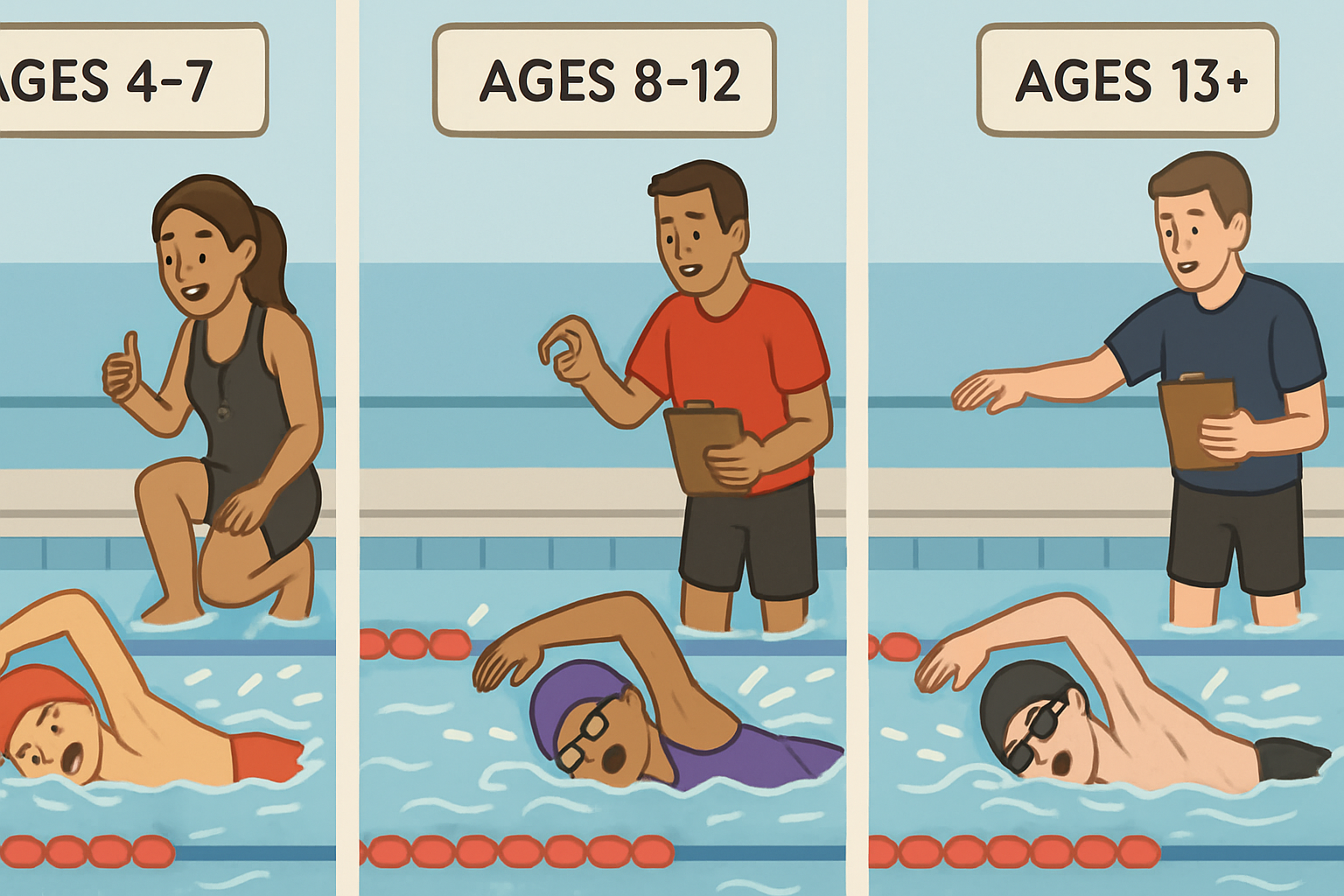
Forget cookie-cutter lesson plans. Modern coaching recognizes that different ages require fundamentally different approaches, not just easier versions of the same thing. Your 5-year-olds learning freestyle aren't just small teenagers - their brains process movement differently, their attention spans work differently, and their motivation comes from completely different places.
Early childhood swimmers thrive on movement exploration
For ages 4-7, the Movement Education Method turns technique into discovery. Instead of demanding perfect streamlines, ask "How many different ways can you glide like a fish?" This approach ensures all children succeed while building the neural pathways that will support advanced technique later. Sea otter roll breathing (rolling to back for air) builds confidence before the more challenging side breathing, creating positive associations with breathing underwater.
Elementary age swimmers need the sandwich method
Ages 8-12 respond brilliantly to structured positive feedback: Praise + Instruction + Praise. "Great effort! Next time pull all the way to your hip. You're really improving!" This age group craves specific goals they can measure, making stroke counting and distance challenges incredibly motivating.
Adolescents want truth with support
Teenagers (13+) appreciate direct, honest feedback with future-oriented support. Skip the lengthy explanations - they know they made a mistake. "You're catching late. Focus on high elbow entry - you'll feel more power immediately." This age group takes ownership of their improvement when you treat them like the capable athletes they're becoming.
Essential drills that build champions at every level 💪
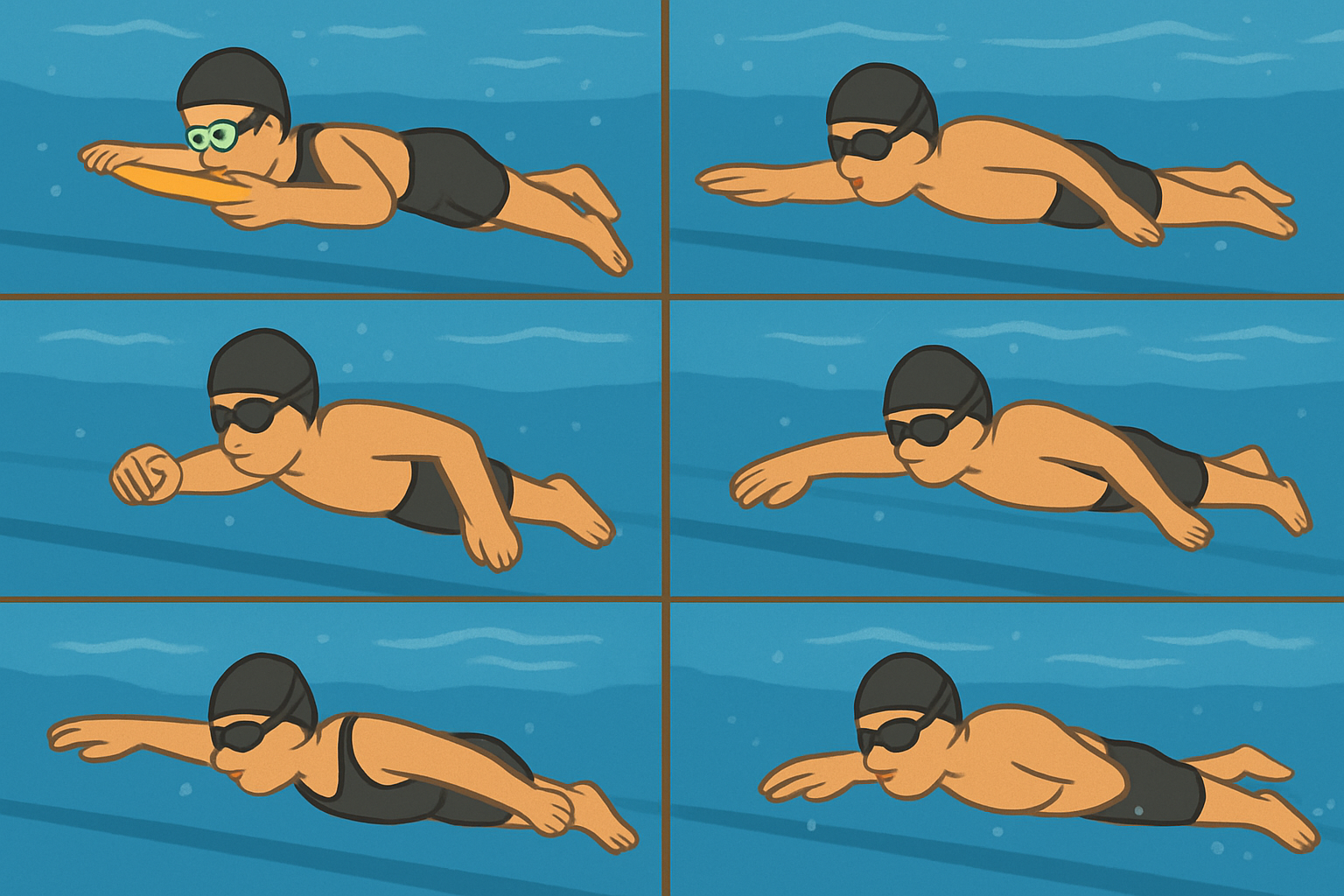
The beauty of modern drill selection lies in progressive complexity that builds on previous skills. Every elite swimmer still does catch-up freestyle - it's the gold standard drill that works from learn-to-swim through Olympic preparation.
Beginner drill sequence that guarantees success
Push and glide establishes body position awareness before adding any complexity. Progress to big arms walking in shallow water - letting swimmers feel the water resistance while maintaining safety and confidence. Bubble breathing creates the rhythmic pattern that supports all future breathing development.
Intermediate drills for technical refinement
Single arm freestyle isolates movement while building core strength and rotation awareness. Fingertip drag during recovery enforces high elbow position while preventing the dropped elbow epidemic. These drills work because they isolate specific technical elements while maintaining the feel of complete freestyle.
Advanced drills used by world record holders
Closed fist swimming develops forearm catch awareness - elite swimmers use this in Olympic warm-ups because it creates immediate tactile feedback about propulsive efficiency. Singapore drill (one arm normal, other doggy paddle) builds coordination and catch timing. These drills work because they challenge proprioception while maintaining stroke rhythm.
Common mistakes and the fixes that actually work ⚡
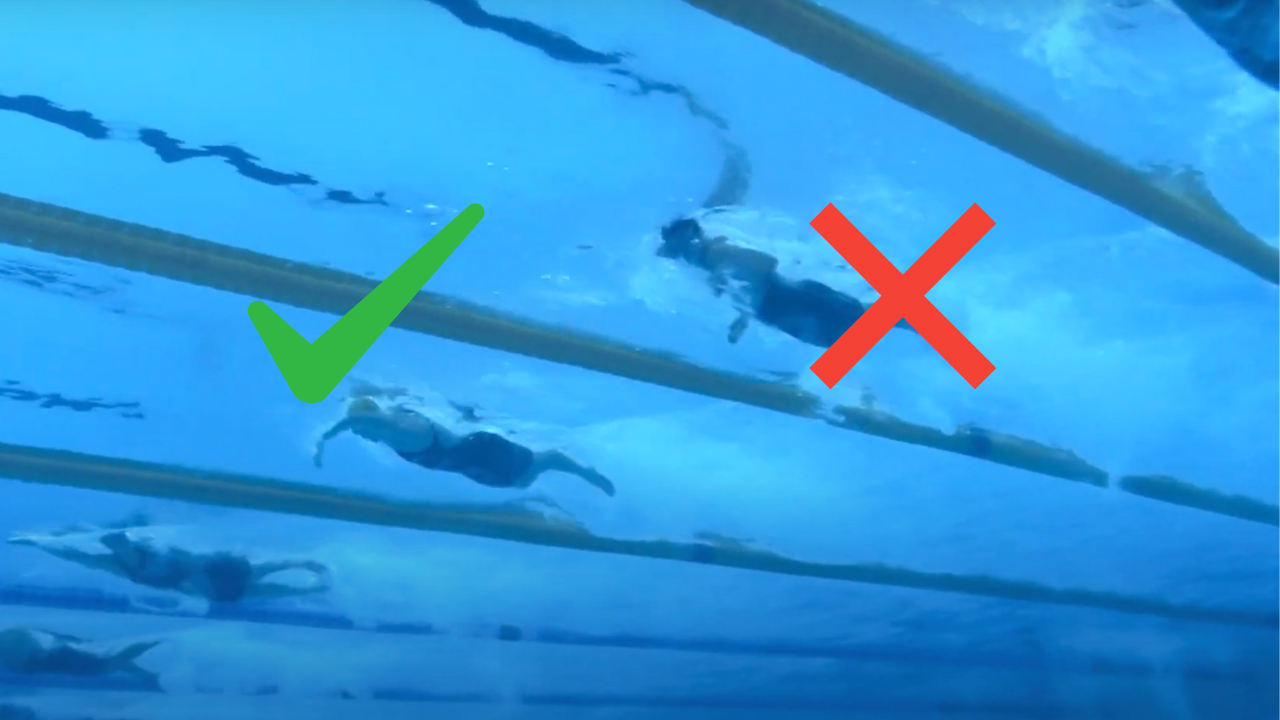
The most persistent freestyle errors stem from natural human instincts that oppose efficient swimming. Understanding the "why" behind mistakes makes corrections more effective and longer-lasting.
Breathing errors destroy more strokes than any other single factor
Lifting the head to breathe feels natural but kills body position instantly. The fix: "Turn your head like a log rolling, not like a turtle lifting its head." Start with roll-breathing for fearful swimmers - building confidence before technique complexity. Holding breath underwater happens because breathing underwater feels wrong to land-dwelling humans. The solution: constant bubble breathing that creates natural exhale rhythms.
Stroke mechanics errors that limit everyone
Dropped elbow in the catch affects 61% of swimmers because it feels easier initially. The correction focuses on creating a big paddle with forearm and hand, supported by closed fist drills that build forearm awareness. Crossover hand entry occurs from poor rotation or reaching across the centerline - fix it with single arm emphasis on entry point directly in front of the shoulder.
Breathing patterns and rhythm that enhance performance 💨
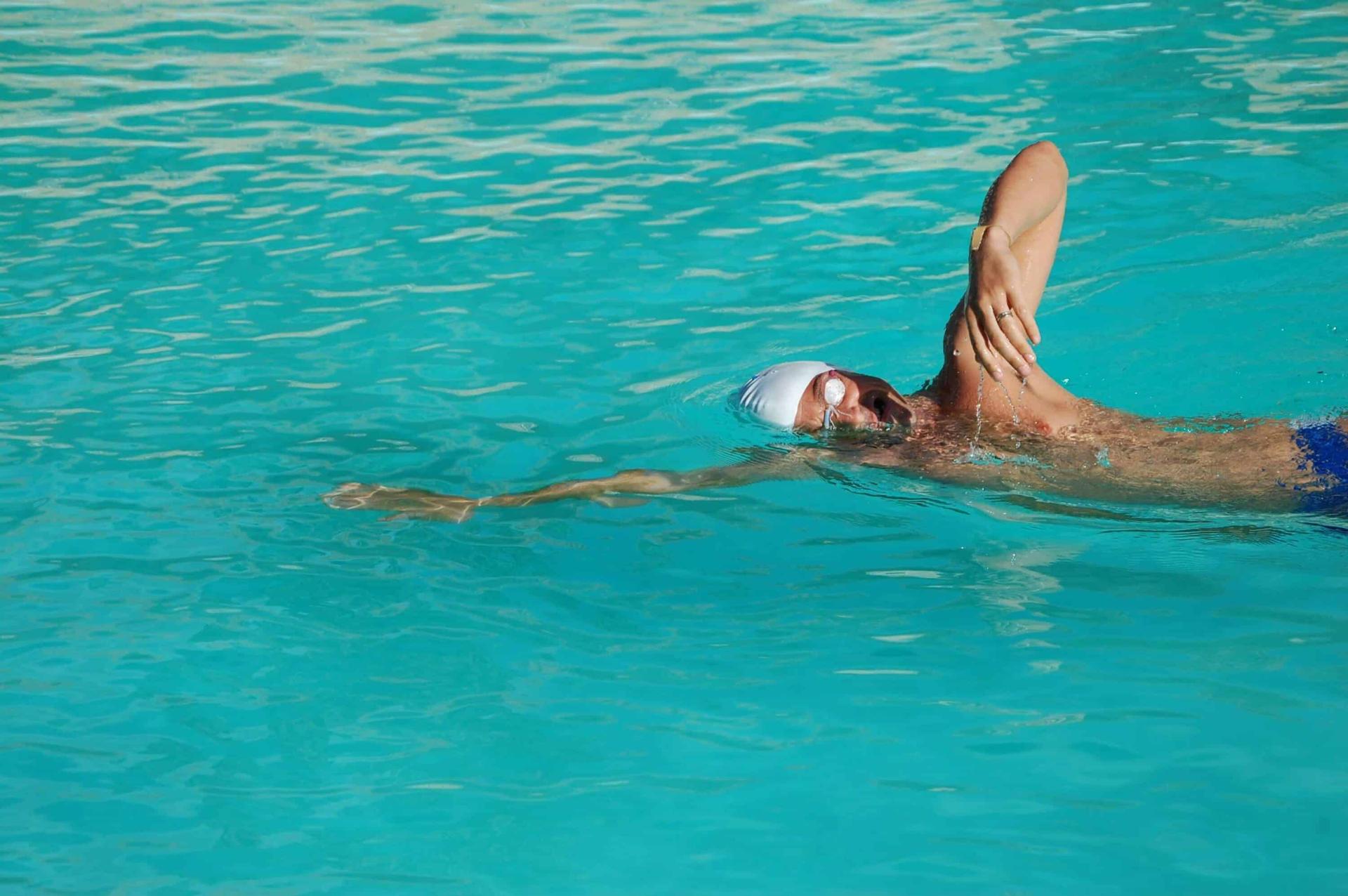
Recent research reveals complex relationships between breathing patterns and performance that should inform your coaching decisions. Bilateral breathing (every third stroke) develops stroke symmetry and prevents muscular imbalances, but creates physiological challenges that affect racing strategy.
Evidence-based breathing recommendations
Race distance determines optimal patterns: Races under 30 seconds benefit from minimal breathing, 30-75 seconds work best with every 2nd-4th stroke breathing, and longer races require every 2nd-3rd stroke. Training should mix patterns including bilateral breathing for stroke balance while recognizing that elite swimmers breathing every third stroke at 90 strokes per minute achieve only 30 breaths per minute - well below normal physiological needs.
Teaching breathing progression that works
Start with rhythmic bubble breathing before attempting side breathing. Progress to three bubbles, breathe patterns that establish timing. Use roll-breathing as a bridge to side breathing, building confidence while maintaining stroke rhythm. Finally, introduce bilateral breathing as technique refinement, not as a beginner requirement.
Age-appropriate teaching methods that respect developmental differences 🎓
Modern coaching recognizes that effective instruction changes fundamentally across age groups, not just in complexity but in approach. Your teaching methods should match how different ages learn best, not just what they learn.
Early childhood requires play-based skill development
Game-like scenarios make skills relatable while building competence. "Sea animal" movements introduce stroke elements through familiar concepts. All children succeed approaches ensure positive associations with water and swimming that support long-term participation.
School-age swimmers benefit from structured progression
Clear skill checkpoints provide measurable goals that match this age group's developmental need for concrete achievement. Peer learning opportunities leverage social motivation while building collaborative skills. Problem-solving challenges engage emerging abstract thinking capabilities.
Adolescents need ownership and autonomy
Self-assessment capabilities build technical awareness that supports independent improvement. Choice in learning methods respects developing independence while maintaining skill development focus. Collaborative coach-athlete relationships acknowledge emerging adult capabilities while providing necessary guidance.
Common coaching errors and professional development insights 🎯
Even experienced coaches make systematic errors that limit swimmer development. Recognizing these patterns enables professional growth that benefits entire programs.
Technical instruction mistakes that persist
Teaching too many concepts simultaneously overwhelms motor learning capacity. Focusing on what not to do rather than what to do creates negative reinforcement patterns. Skipping prerequisite skills creates technical foundations that collapse under competition stress.
Communication patterns that limit effectiveness
Generic feedback ("swim faster") provides no actionable information. Delayed correction reduces learning effectiveness compared to immediate intervention. Inconsistent expectations create confusion that slows skill development.
The psychological elements that separate good coaches from great ones 🧠
Elite coaching success increasingly depends on psychological skills that enhance technical instruction. The most effective coaches understand that technique and confidence are inseparable elements of swimmer development.
Creating positive learning environments
Psychological safety for mistakes enables risk-taking necessary for skill development. Celebration of effort and improvement builds intrinsic motivation that sustains long-term engagement. Clear, consistent expectations reduce anxiety while building competence.
Building swimmer ownership
Questions rather than answers develop problem-solving capabilities that support independent improvement. Individual goal setting creates personal investment in skill development. Progress celebration builds confidence that enables continued challenge acceptance.
Putting it all together for coaching excellence 🏆
The 2025 freestyle revolution isn't about choosing between traditional coaching and modern technology - it's about intelligent integration that amplifies human expertise. David Popovici's technical analysis of Pan Zhanle's world record, combined with traditional coaching excellence, created a European record. Katie Ledecky's visualization training enhanced decades of proven training methods to maintain her distance dominance.
Your swimmers - whether they're 5-year-old beginners or competitive teenagers - benefit from the same systematic approach to technical development. Start with solid body position fundamentals, build catch mechanics through progressive drill work, integrate efficient breathing patterns, and use technology to make the invisible visible.
The magic happens in the details: understanding why the high elbow catch works (larger propulsive surface), knowing when to introduce bilateral breathing (after confidence with side breathing), and recognizing that different ages need different motivation approaches (movement exploration vs. structured goals vs. autonomy and ownership).
Remember that elite swimmers still do basic drills - catch-up freestyle, single arm swimming, and kick with boards remain staples of Olympic training. The difference isn't in choosing advanced techniques over fundamentals; it's in systematic progression and intelligent application of proven methods.
Ready to revolutionize your freestyle coaching? Start implementing these 2025 World Championships insights with your next practice session. Remember: the best technique in the world only works when it's taught with patience, enthusiasm, and genuine care for each swimmer's individual journey.